Silver Spring is a large, diverse community where concrete needs vary sharply by neighborhood — from older residential sections with decades-old exterior flatwork to the downtown commercial core with its active pedestrian and vehicle traffic. Understanding how development patterns, drainage, and Maryland weather interact helps property owners make better concrete decisions.
Property and Residential Patterns in Silver Spring
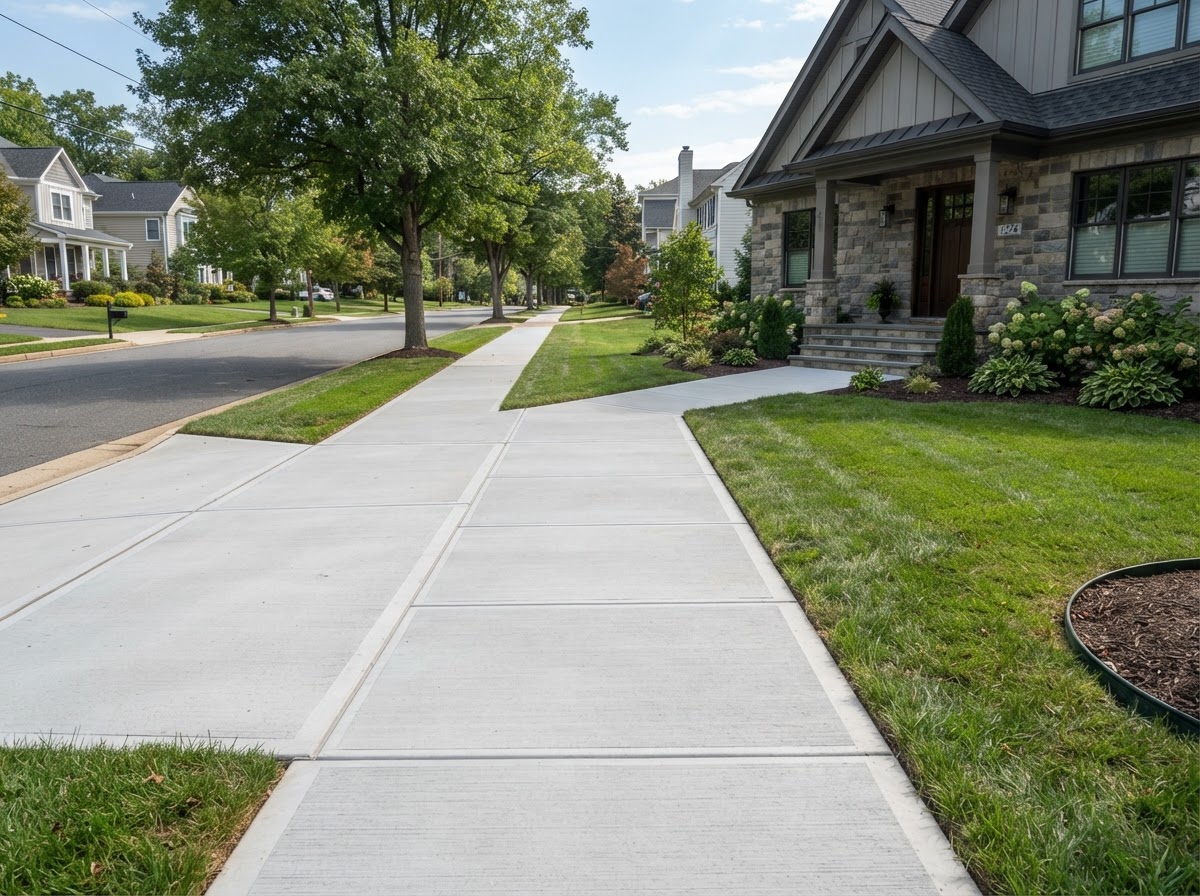
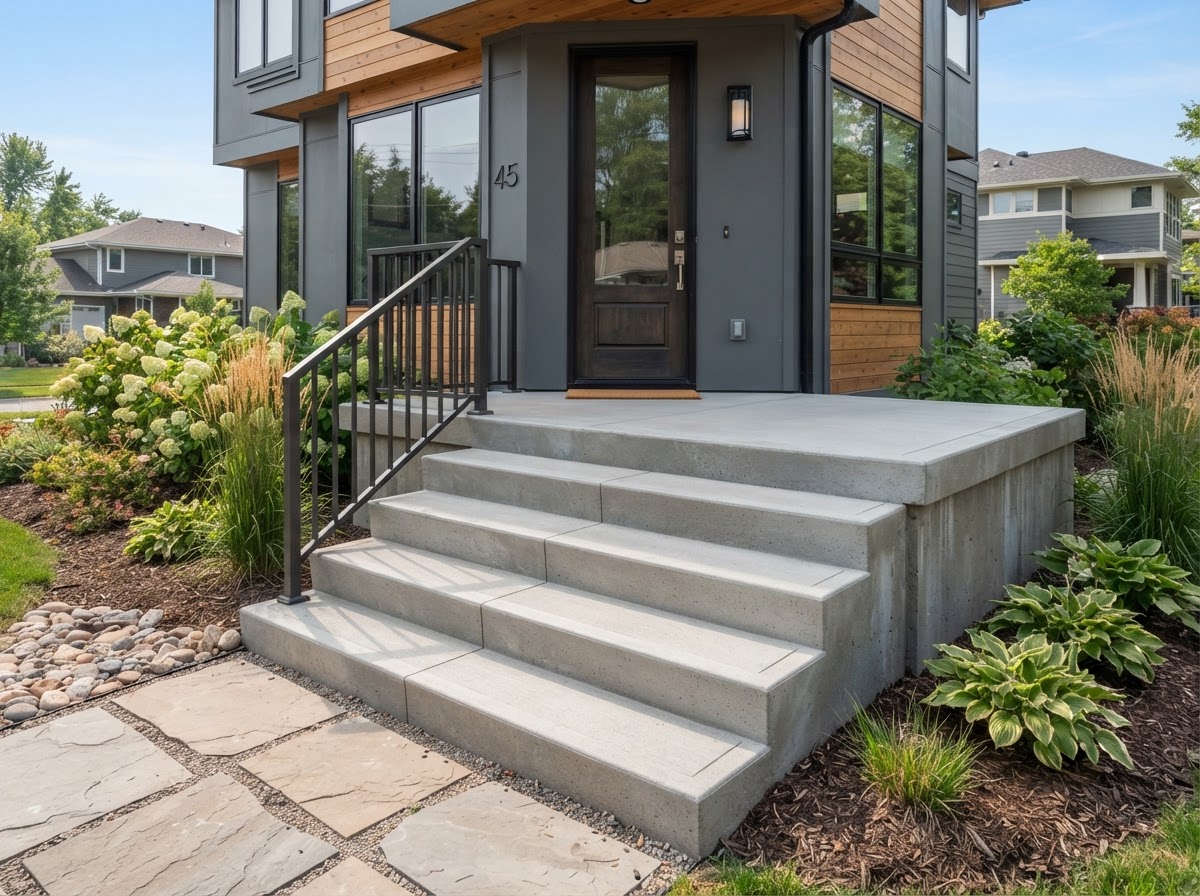
Silver Spring includes established single-family neighborhoods, townhome and garden-apartment sections, and denser mixed-use development near downtown. Concrete project needs can vary by property type and age. In the older residential sections, existing flatwork may involve cracked driveways, settled walkways, worn entry steps, or previous repairs — so repair, leveling, and resurfacing are common. Properties in newer or less-developed sections may be focused on driveway installation, patio pours, or parking-pad planning. The walkable character of many Silver Spring neighborhoods means sidewalks, front walks, and entry steps see heavy daily use, which makes their condition and safety a frequent concern.
Drainage, Sligo Creek and Runoff
Sligo Creek and its tributaries run through Silver Spring, and the community's established neighborhoods have decades of built-up drainage patterns. Where properties slope toward a foundation, trap water at a low point, or sit near paved surfaces that shed runoff, water can pool against slabs or run beneath them — eroding the base and contributing to settlement and cracking over time. In those situations, drainage is often part of the concrete repair or replacement plan, whether through slope correction, trench drains, or grading. We assess how water moves across the site before recommending scope.
Maryland Weather and Exterior Concrete
Exterior concrete in Silver Spring faces the same Mid-Atlantic freeze-thaw cycles as the rest of Montgomery County. Moisture that enters a slab and freezes can cause surface scaling and spalling, and deicing salts applied during winter storms can accelerate surface deterioration — particularly on driveways, walkways, and entry steps that see regular winter treatment. Proper drainage, sealing where appropriate, joint placement, and finish selection all help concrete resist this kind of seasonal damage.
Planning Concrete Improvements for a Silver Spring Property
For residential properties, the most common planning decisions are repair versus replacement for aging driveways and walkways, patio installation or replacement, step and stoop repair, and slab or pad pours for accessory structures. For commercial properties downtown and along major corridors, the decisions often involve flatwork replacement, sidewalk repair, parking-lot concrete, and drainage. In both cases, the right approach depends on the slab's condition, whether movement is ongoing, the site's drainage, and how the surface will be used. We review those factors before recommending scope so the concrete performs for its intended use through Maryland's seasonal cycles.